

Eating Disorder Awareness Week- How to Provide Support to Those in Need
Awareness saves lives. This statement is true about a host of concerns, and specifically, it is true about eating disorder care. Eating disorders are serious but treatable mental illnesses that affect people of all genders, ages, races, ethnicities, religions, sexual orientations, body shapes, and weights. According to the National Eating Disorder Association, in the United States, 9% or 30 million Americans will suffer from an eating disorder at some point in their lifetimes. Additionally, eating disorders have the second highest mortality rate of any psychiatric illness.
Eating disorders are not only mental health disorders but also medical in nature. These disorders affect a person’s physical, mental, emotional, and even spiritual well-being. This week is National Eating Disorder Awareness week, and as a clinician who specializes in the treatment of eating disorders, I believe it is essential to discuss how to talk to someone who might appear to be struggling with an eating disorder. Knowing what to say and how to navigate supporting someone struggling can be scary and challenging. Here are three tips I tell my clients when they wish to express concern about someone they love who may be struggling with an eating disorder:

Remember Eating Disorders are Multidimensional. Eating disorders are not just about food, weight, and body image. They are about those things and they are about so much more. There can be many reasons why people develop or engage in disordered eating behaviors; there truly is no one size fits all. When talking to someone who might be struggling with an eating disorder, I encourage people to keep this fact in mind and focus less on being a detective and more on being a listener. The why is not essential information to know in order to provide support.
Provide Unconditional Love and Acceptance. When talking to someone who appears to be struggling with an eating disorder, I encourage people to approach the person from a non-judgmental stance. Rather than making comments such as, “Why don’t you just eat more?” or “You don’t need to be worried about eating that piece of cake. It’s not that big of a deal” or “You don’t look like you have an eating disorder,” I encourage people to actively listen to the person and allow them space to express their concerns with unconditional acceptance. Making a person feel heard and seen opens the door to a greater chance for healing and growth.
Encouraging Counseling Services can be a Great Place to Start. It can be frightening for anyone to ask for help, but it is extremely difficult for those struggling with eating disorders. It has been reported that only 10% of people with eating disorders actually follow through and receive treatment. This is why I encourage people who believe someone might be struggling to consider mentioning seeking professional help through counseling services. If the struggling individual feels overly fearful about taking this next step, I tell people to offer to sit with them while they call/email/sign up for an appointment. If it works out, maybe offer to take them to their appointment or have a phone call later that day to check-in. Professional help can be a great place to start for healing.

In addition to these tips, here are some resources a person can use for themselves, loved ones, or just to become more informed about the nature of eating disorders:
I fully believe that awareness saves lives when it comes to eating disorder care and I hope you feel empowered this National Eating Disorder Awareness Week to raise awareness, continue to challenge stigma, and spread hope to all who might be affected. If you or someone you know is struggling, don’t hesitate to reach out for a free 15 minute consultation with one of our therapists.
About the Author
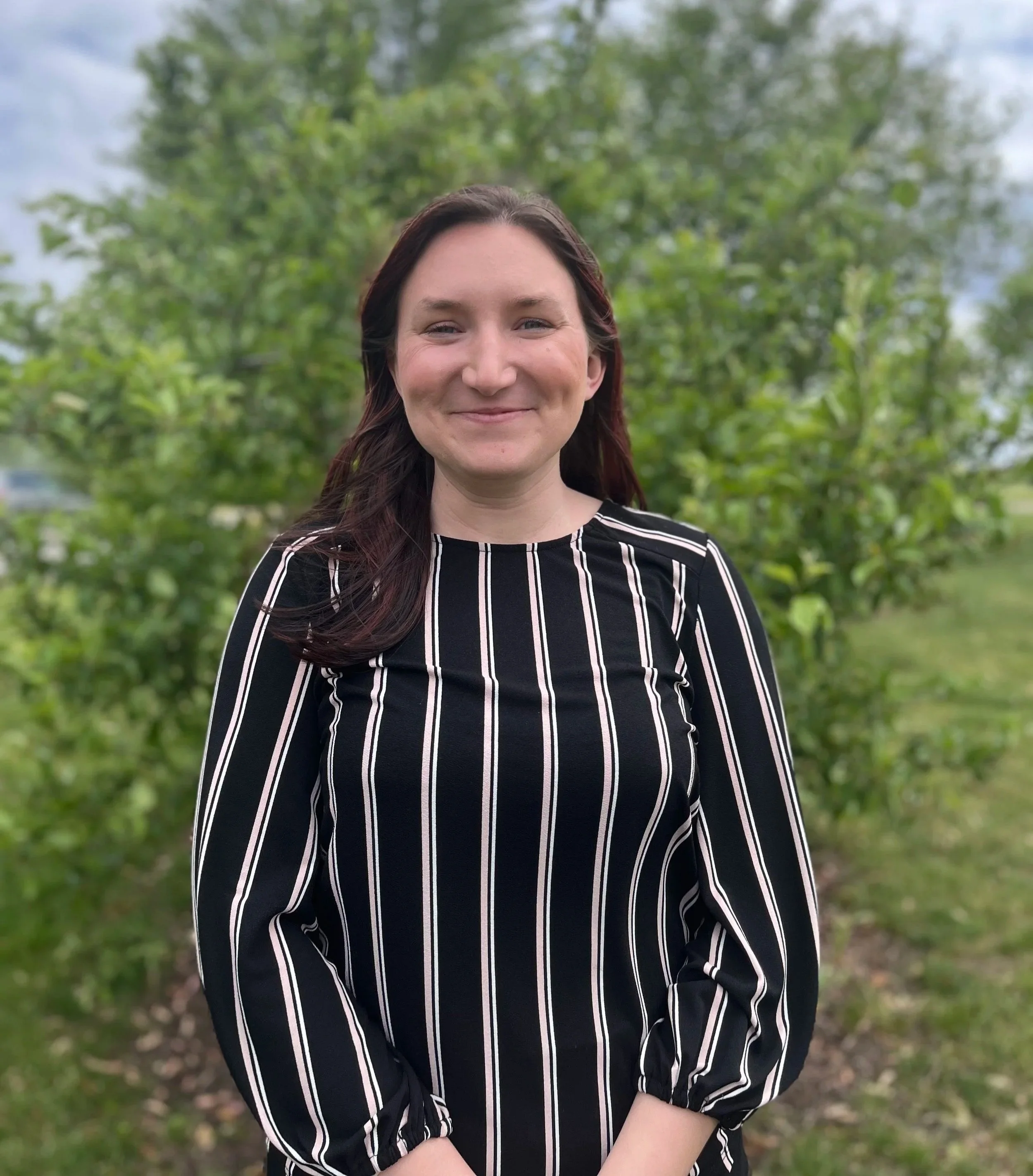
Laura Lahay, LCPC is a clinical professional counselor eating disorders/body image issues, LGBTQIA+ support, and spirituality/religious trauma She incorporates a range of modalities from ACT, DBT, Emotion-Focused Therapy and Person-Centered Therapy into her treatment. Read more about Laura here!